Day 3: The Confederate Nurses Enterprise - A Thought Experiment
Mar 18, 2026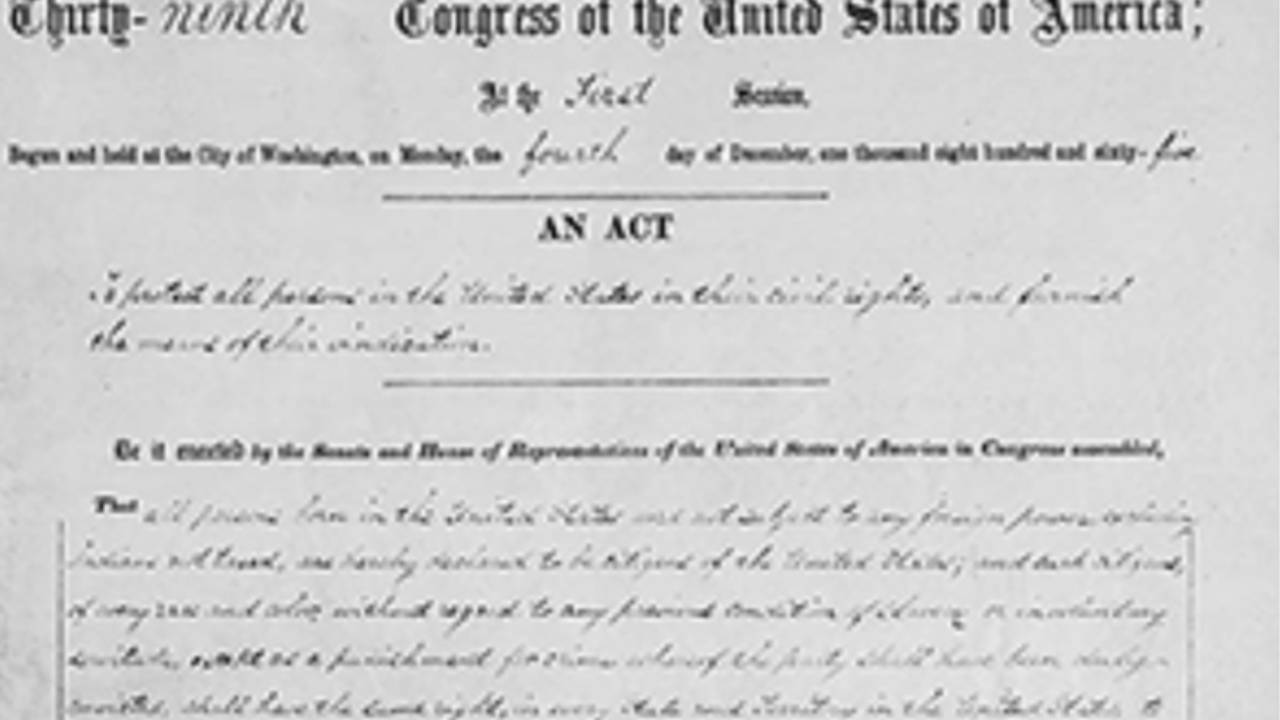
As of today, March 18, 2026 two hundred and eleven days have passed since the verdict in Joppy v. HCA HealthOne, the landmark case at the intersection of racism in nursing, workplace mobbing and Civil Rights.
The enterprise hasn’t commented on the verdict in Joppy v. HCA HealthOne. They’ve never acknowledged the facts underlying the case, or even responded to direct outreach by several people over several years, which leads to the obvious question: What’s their strategy?
We can only speculate, so I developed a list of ten potential reasons why the enterprise hasn’t said anything about Joppy v. HCA HealthOne. We’re exploring each of these ten possible reasons over ten business days, and after two days evidence shows: The enterprise has been aware of Joppy v. HCA HealthOne since early to mid 2022, when Joppy’s claims of race discrimination and retaliation were filed in US District Court; and the enterprise is at least aware of the issues in Joppy v. HCA HealthOne, i.e. race discrimination and retaliation in the nursing workplace.
- The enterprise is not aware of Joppy v. HCA HealthOne
- The enterprise doesn’t understand the issues in Joppy v. HCA HealthOne
- The enterprise doesn’t understand the legal and historical significance of Joppy v. HCA HealthOne
- The enterprise doesn’t comment about ongoing cases
- The enterprise doesn’t comment about individual cases or cases involving discipline, they only focus on issues of concern to the nursing profession
- The enterprise finds the facts of Joppy v. HCA HealthOne disquieting
- The enterprise fears Joppy v. HCA HealthOne undermines its branding
- The enterprise fears it might upset its most dominant demographic if it mentions Joppy v. HCA HealthOne
- The enterprise is aligned with the Defendant in Joppy v. HCA HealthOne
- The enterprise has a financial conflict regarding Joppy v. HCA HealthOne
Today is Day 3, so let’s see if the enterprise is silent because the enterprise doesn’t understand the legal and historical significance of Joppy v. HCA HealthOne.
The enterprise may be familiar with the Equal Employment Opportunity Commission (EEOC) as the first step to address claims of workplace discrimination and retaliation under the Title VII of the Civil Rights Act of 1964.
However, the enterprise may not be aware that the disparate treatment claims in Joppy v. HCA HealthOne are based on a different law, 42 U.S.C. § 1981.
This law was “...originally enacted as § 1 of the Civil Rights Act of 1866, an immediately post-Civil War legislative effort to ensure that newly freed slaves received the same rights as other citizens… Claims under § 1981… have largely arisen under its contract clause—that is, statutory language providing for "the same right . . . to make and enforce contracts" that "white citizens" possess.”
Attorney Lucinda Jones, aka Advocate Lucinda, compares the important differences between these options.
“A lot of Plaintiffs suing for race-based discrimination know only about Title VII of the 1964 Civil Rights Act. There is another race-based statute that the Plaintiff can sue under that provides greater protection than Title VII (42 U.S.C. 1981). The good thing is the Plaintiff can sue under both statutes at the same time.”
I also developed this short video to provide some historical and legal context specific to Joppy v. HCA HealthOne.
Joppy v. HCA HealthOne is significant in the context of civil claims because it got to trial and the overwhelming majority of claims do not. “Today, approximately 1 percent of all civil cases filed in federal court are resolved by trial.”
A Plaintiff also faces many challenges proving race discrimination. “One of the most significant… is the absence of direct evidence. Employers rarely leave clear evidence of bias, like racial slurs in emails or overtly discriminatory policies. Instead, racism in the workplace often manifests in subtler ways—such as being passed over for promotions or receiving disproportionately harsh discipline.”
The jury’s unanimous verdict and five million dollar award for Ms Joppy’s pain and suffering are notable, along with the fifteen million dollar punitive damages against HCA HealthOne. “(P)unitive damages seek to punish defendants for their egregious conduct and to deter defendants and others from engaging in similar behavior.”
Another employment discrimination claim was tried in late 2025 at the same US District Court and also under 42 U.S.C. § 1981 - Mohamed v. Society for Human Resource Management. There, the jury also found for the Plaintiff and awarded one and a half million dollars compensation and ten million dollars punitive damages.
“Juries have awarded sizable verdicts to employee plaintiffs in four recent racial discrimination cases… these cases illustrate how juries value racial discrimination cases, and what kind of evidence supports such generous awards.”
The enterprise may not fully understand or appreciate the legal and historical significance of Joppy v. HCA HealthOne, which if true is discouraging. This isn’t rocket science. There are plenty of resources to help motivated nurses understand more about law and history, including actual historians and legal scholars, and also nurses who are either also historians, lawyers or non-attorney legal experts. It’s 2026. We have the internet, smart phones and even AI summaries via Google. There’s no excuse.
Tomorrow’s speculation: The enterprise doesn’t comment about ongoing cases
